

23·
4 days agoI’m not switching at this time because I already bought a lifetime pass about 7 years ago. If ANY of my functionality gets changed by Plex then I’ll be switching
I’m not switching at this time because I already bought a lifetime pass about 7 years ago. If ANY of my functionality gets changed by Plex then I’ll be switching

https://www.ebay.com/itm/306939718599
The photos in this listing show the retail box. It’s China alright

It will never be ethical to buy Subnautica 2 as long as Krafton is still involved.
I don’t allow registration but I can manually create accounts. My server is just for me and a few others so this is perfectly fine for me
Your work is appreciated, cheers!
Hey Daniel, thanks for making this and 4.0 has been a great update! I’ve been using this with owntracks since I saw it posted here a few months back and it’s been great.
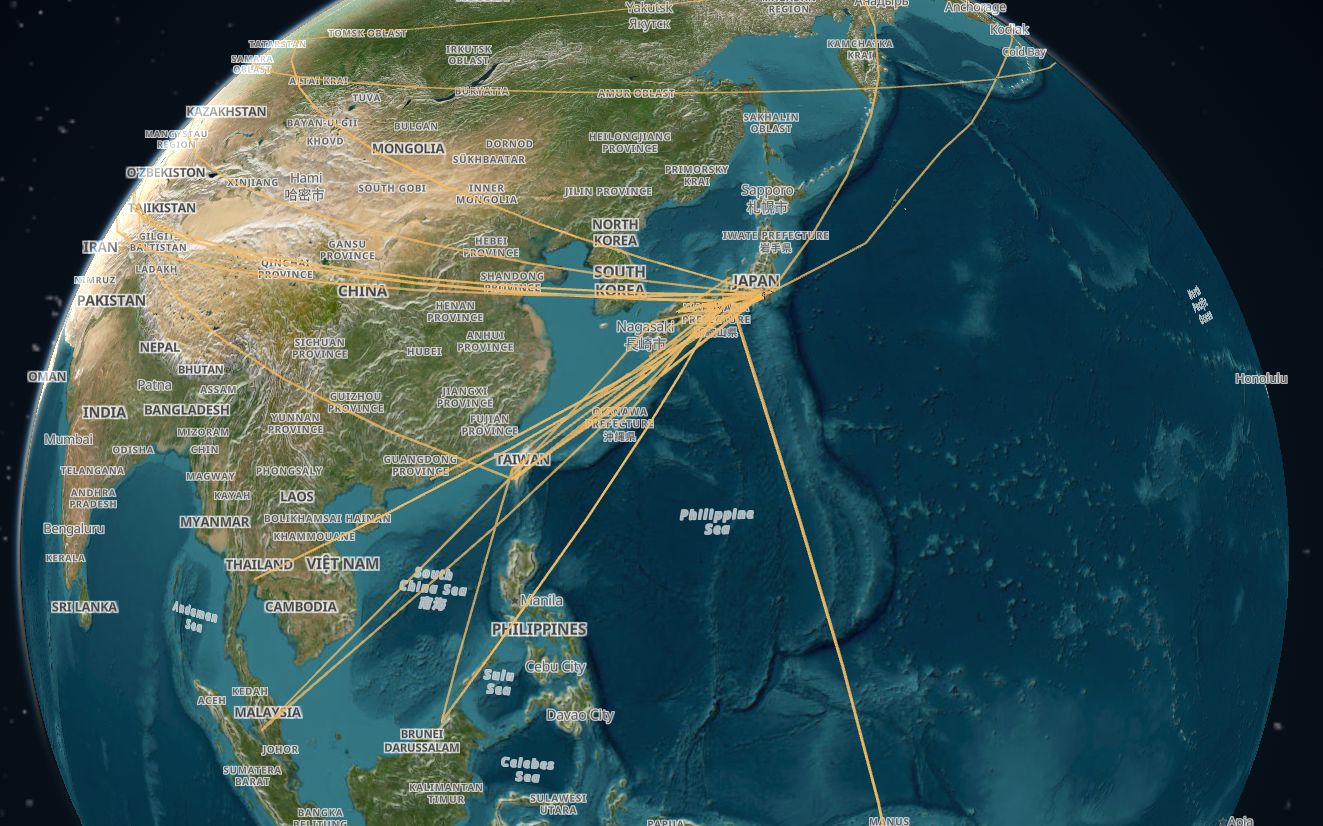
There is one thing that I was wondering about - do you have any plans to be able to smooth out wonky data that gets imported? In my case it’s from google takeout. I recently imported my location data from my old google takout backup and location data is all over the place. For example, here is my 2017 trip from the US to Japan and back. I totally understand that this is a problem with the data though
It’s just a hobby so i know I have room for improvement, but the bigger my environment gets the more difficult it is to keep everything completely up to date, like you said. Given that, my main priorities are:
Now that being said, I’ve started to use ansible playbooks for deploying OS updates. I have a playbook that uses default options when doing an apt upgrade and it also works for the docker engine user prompt.
About 75% of my services are native installs in LXCs and I try to always install by including the app repo so that apt can update it and the other 25% are in docker. I used to use watchtower but that’s no longer maintained, so I do container updates manually as needed.
It’s not perfect, but it’s just for fun so 🤷
I understand where you’re coming from but, to me, self hosting is an ethos, not a checklist. If self hosting has to be void of a commercial entity then my services at home that are available externally aren’t self hosted since I have to rely on my ISP for that to work. And all of the electricity for my servers comes from a commercial company so those aren’t self hosted. And using a public domain isn’t self hosting.